

About Structural Engineering
Learn More
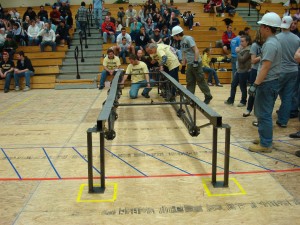 Structural engineering integrates mathematics, physics and material sciences to make built structures safely stand up under various loads applied to them. Understanding the behavior of structures under applied loads is one of the keys to successful structural engineering. There are a wide variety of structures that require a structural engineer’s experience and expertise, including bridges, buildings, towers, dams, tanks, just to name a few. Structural engineers apply their knowledge and experience to ensure public health, safety and welfare in relation to constructed objects.
The structural engineering profession includes not only the design of structures, but many more functions that are integral to transforming an idea into an object. Structural engineers work with owners and other design professionals to identify problems to solve, develop possible solution options and associated costs, complete final design and drawing preparation of a selected solution, and provide oversight of those construction professionals turning the design into reality.
A structural engineer is just one of the members of the professional design and construction team. Teamwork and coordination are paramount to the success of a project. Whether you are in private practice, government service, or the construction sector, your creativity and attention to detail can generate rewarding experiences while working as part of the project team.
From a private practice business perspective, structural engineering includes many functions shared by other businesses. One must market engineering services to prospective clients, craft proposals for services for specific projects based on the owner’s needs, perform the services in accordance with the owner/client agreement, prepare documents that define the necessary work, assist an owner in securing competent construction professionals to perform the work, and providing construction phase services to ensure that the construction meets the design intent shown on the drawings/documents.
If you are interested in becoming a structural engineer, your high school education should include math and science courses every year. Algebra, geometry, trigonometry and possibly calculus should be part of your math education. Chemistry and physics courses will strengthen your base foundation for college. Once in college, your initial course foundation should include calculus, physics and writing in addition to other required courses. Your junior and senior college years are focused primarily on engineering course work. Typical courses would include materials of construction, analysis of structures, design courses in various specific construction materials, soil mechanics and project management. Most colleges have a general course track laid out for you once you decide your direction. You can find a list of ABET accredited colleges and universities that offer civil engineering degree programs by visiting their website, http://www.abet.org/AccredProgramSearch/AccreditationSearch.aspx. Attending an ABET accredited institution is necessary for future Professional Engineer licensing requirements.
Internships during the course of your college education can broaden your experience from classroom to career, providing valuable experience as well as enhancing your career opportunities. You can research salaries in the structural engineering field by going to https://www.payscale.com/research/US/Job=Structural_Engineer/Salary. Actual salaries will vary depending upon your highest degree level, experience, area of practice (private, governmental or construction), and the state of the economy.
“Practice of engineering means any professional service or creative work requiring education, training, experience, and the application of advanced knowledge of mathematics and physical sciences, involving the constant exercise of discretion and judgment, to such services or work as consultation, investigation, evaluation, planning, design, responsible oversight of construction, and responsible oversight of operation, in connection with any public or private utilities, structure, buildings, machines, equipment, processes, works, or projects, wherein the public welfare, or the safeguarding of life, health or property is concerned.”
 Professional Engineering NH Statute Chapter 310-A
Structural Engineering
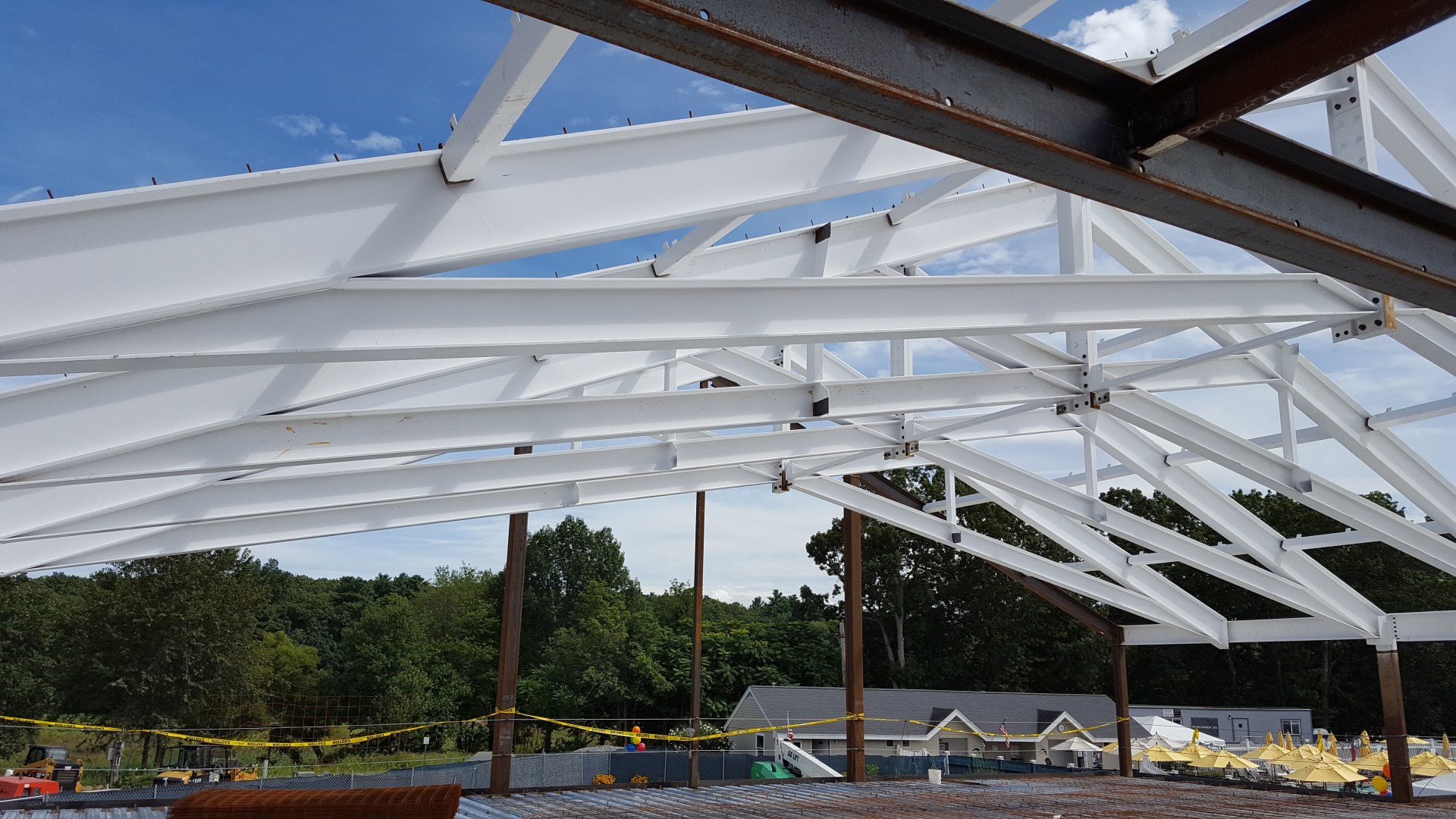
Structural engineering is a branch of civil engineering with many applications. Most structural engineers are engaged in the design of buildings, bridges, retaining walls, culverts dams or other similar structures. There are amusement rides, communications towers and power generating faculties that require vast amounts of structural engineering as well. The structural engineer is responsible for selecting the appropriate materials, layout of structural systems and sizes of members to safely resist calculated forces which will act upon the structure. Occupancy, snow, wind and earthquake forces must be resisted by the selected structural system and a load path developed to transfer those forces through to the foundations and eventually to the ground. Structural engineers are, therefore, typically responsible for designing the foundations in the ground that support buildings, bridges and other structures that are exposed to those external forces above the ground.
Structural engineers provide services primarily as consultants to others, including architects, contractors, municipalities, federal, state and local governments, businesses and home owners. Using steel, concrete, masonry, wood, and other materials, the engineer determines the appropriate member sizes and layouts so the structure will perform the intended function. Those functions vary widely from safely crossing a river to conveying screaming passengers on a roller coaster or protecting you in your own home during a winter nor’easter. After the design is completed and the construction drawings are prepared, structural engineers are often involved in the field with construction observations to ensure that the structures are constructed in accordance with the design intent.
Structural engineers are generally consulted for the design of new structures, assessing existing structures, renovating structures for new uses or additions, designing temporary supports or engineering the safe deconstruction of a structure. The NH Department of Safety State Building Code Review Board has set standard building codes for the design of new and renovated buildings and other structures while the NH Department of Transportation has specified design standards for a variety of transportation related structures. These state standards rely heavily on national standards and reference documents that are regularly updated to include enhanced engineering understanding of how materials behave and to improve public safety.
 Licensure:
Structural Engineers are professionals closely tied to public safety and must be licensed with the state in which they practice. Generally speaking, a licensed engineer has a minimum of a bachelor’s degree in civil or structural engineering and at least four years of experience working under the direct supervision of a licensed engineer. After obtaining these credentials the engineer must pass a licensing exam in order to demonstrate their abilities to become a licensed engineer in their field of practice. To encourage them to keep abreast of the ever changing design codes and standards, many states, including NH, require licensed professional engineers to complete a minimum amount of continuing education hours relevant to their practice of engineering during each renewal period. Before retaining a structural engineer, SENH recommends that you check their licensing status on the NH PE Board’s website.
Certifications:
In addition to state licensing as professional engineers, some structural engineers obtain additional certifications in their specialty. The Structural Engineering Certification Board is an independent national organization that reviews credentials of practicing structural engineers and certifies that they have “…unique and additional qualities necessary to perform structural engineering.” Structural engineers who have been reviewed and certified by the Structural Engineering Certification Board are then permitted to be identified by the addition of SECB after their name. For more information on this certification, visit the SECB website, www.secertboard.org. Their Q&A page on their site is very helpful to understanding certification. It is very similar to board certifications in their specialty for physicians. Since many states do not license professional engineers in their specialty, this certification is another way for structural engineers to demonstrate their engineering specialty.
The US Green Building Council is promoting Leadership in Energy and Environmental Design, or LEED, among design professional in an effort to construct buildings and structures that are more energy efficient and friendly to the environment. Design professionals who have demonstrated a thorough understanding of green building practices and principles and a familiarity with LEED requirements, resources and processes, can, by a process of study and examination, become LEED certified. LEED AP is the more common certification achieved by design professionals and will be appended to their name and licensing credentials. For more information on this certification, visit the US Green Building Council’s website, www.usgbc.org and specifically, www.usgbc.org/DisplayPage.aspx?CategoryID=19 for LEED information.
